

frosted shower panel
The Importance of Rebar Safety Caps In the construction industry, safety is paramount. One of the often-overlooked aspects of construction site safety is the use of rebar safety caps. Reinforcing bars, or rebar, are essential in strengthening concrete structures, but their exposed ends can pose significant hazards. To mitigate these risks, rebar safety caps are a simple yet effective solution. What Are Rebar Safety Caps? Rebar safety caps are protective covers designed to fit over the sharp, exposed ends of rebar. They can be made from various materials, including plastic, rubber, or metal. The primary function of these caps is to prevent injuries caused by accidental contact with the protruding rebar. Given that construction sites often have various personnel, including workers, visitors, and inspectors, these caps play a crucial role in reducing the risk of accidents. Why Are They Important? 1. Injury Prevention One of the most significant advantages of using rebar safety caps is injury prevention. Sharp rebar can cause severe injuries, including puncture wounds, lacerations, or even more severe trauma . OSHA (Occupational Safety and Health Administration) mandates that construction sites must minimize hazards, and using safety caps is a straightforward compliance measure. 2. Enhanced Visibility Many rebar caps come in bright colors, enhancing their visibility on a construction site. This added visibility serves a dual purpose it alerts workers to potential dangers and makes it easier to identify where rebar is present, reducing trip hazards. 3. Compliance with Regulations The use of rebar safety caps is often required by state and federal safety regulations. Compliance with these regulations not only ensures worker safety but also helps construction firms avoid legal liabilities and fines associated with workplace injuries. rebar safety caps 4. Cost-Effective Solution Investing in rebar safety caps is a cost-effective approach to enhancing site safety. The cost of these products is minimal compared to the potential costs associated with workplace injuries, including medical expenses, compensation claims, and increased insurance premiums. 5. Easy Installation Rebar safety caps are easy to install and remove. They can be quickly fitted onto rebar ends, allowing for efficient site management and ensuring that safety measures can be put in place without significant downtime in the construction process. Choosing the Right Rebar Safety Caps When selecting rebar safety caps, several factors need consideration. These include the size and type of rebar being used, the environment of the construction site, and the specific safety regulations that apply to the project. It's crucial to choose caps that fit securely to prevent them from falling off and leaving the rebar exposed. Additionally, it is advisable to opt for high-quality caps that will withstand the rigors of a construction site. This includes resistance to impacts, weather elements, and UV exposure, ensuring that they remain effective throughout the project duration. Conclusion Rebar safety caps are a small yet critical component of construction safety. They serve multiple purposes, from preventing injuries and enhancing visibility to ensuring regulatory compliance and offering a cost-effective solution for hazard management. In an industry where safety cannot be overstated, the importance of simple measures like rebar safety caps is often overlooked. By prioritizing their use, construction companies can help ensure a safer working environment for all individuals on site, ultimately leading to more successful and injury-free projects. Safety is everyone's responsibility, and implementing straightforward solutions like rebar safety caps is a proactive step toward protecting workers and enhancing overall site safety.
about
frosted shower panel
Understanding Fixture Table Clamps A Comprehensive Guide Fixture table clamps are essential tools used extensively in various manufacturing and assembly processes. These clamps offer stability, precision, and flexibility when holding workpieces firmly in place, enabling operators to achieve high-quality results in their tasks. This article delves into the functionality, types, advantages, and applications of fixture table clamps, providing a thorough overview of why they are indispensable in both industrial and craft settings. What Are Fixture Table Clamps? Fixture table clamps are mechanical devices designed to hold components securely on a fixture table or work surface during manufacturing operations. These clamps can accommodate various shapes and sizes of workpieces, making them versatile tools in both high-volume production and custom fabrication environments. Typically constructed from durable materials like steel or aluminum, they are built to withstand high pressures and stresses encountered during machining processes. Key Features of Fixture Table Clamps 1. Adjustability Most clamps are adjustable, allowing users to accommodate different sizes and shapes of workpieces. This feature is particularly useful in facilities where a diverse range of products is fabricated. 2. Easy Operation Fixture table clamps are designed for quick and easy operation. Many designs incorporate user-friendly mechanisms that facilitate fast setup and adjustments, reducing downtime. 3. Strong Clamping Force A primary requirement of any clamping system is its ability to exert sufficient force to keep a workpiece stationary. High-quality fixture table clamps provide robust clamping force without damaging the material being clamped. 4. Durability and Stability Given the rigors of industrial applications, fixture table clamps are built to last. Their sturdy construction provides stability during operations, ensuring that the workpiece remains in the correct position throughout the process. Types of Fixture Table Clamps Fixture table clamps come in various styles, each suited for specific applications. Some of the most common types include 1. Toggle Clamps Known for their speed and efficiency, toggle clamps use a lever mechanism to clamp down on the workpiece quickly. They are often used in woodworking and metalworking applications. 2. C-Clamps These traditional clamps have a C-shaped frame and a screw mechanism to apply pressure. They are versatile and can be used for various applications, from holding materials during cutting to assembling parts. 3. Pneumatic Clamps Utilizing air pressure for actuation, pneumatic clamps provide fast and powerful clamping. They are ideal for high-speed production lines where efficiency is paramount. fixture table clamps 4. Screw Clamps These clamps use a screw mechanism to tighten down on the workpiece. While they may take slightly longer to operate than toggle clamps, they provide excellent clamping force and are typically less expensive. 5. Magnetic Clamps Utilizing magnets to hold workpieces, these clamps are particularly advantageous for thin or metallic materials. They offer a lightweight and flexible solution for temporary setups. Advantages of Using Fixture Table Clamps The use of fixture table clamps in manufacturing and assembly offers several benefits - Improved Precision By keeping workpieces securely in place, clamps reduce the likelihood of error due to movement, leading to higher precision in machining and assembly processes. - Increased Efficiency Fast setup and operation minimize downtime, allowing for smoother workflows and increased productivity in manufacturing environments. - Safety Properly secured workpieces decrease the chances of accidents, protecting both the operator and the equipment from potential hazards caused by shifting materials. Applications of Fixture Table Clamps Fixture table clamps are widely used in various industries, including - Machining Essential in CNC machining processes, clamps secure materials while cutting, milling, or drilling, ensuring accurate dimensions. - Woodworking In woodworking shops, clamps hold boards in place for glue-ups, cutting, and finishing operations, providing stability for precision work. - Metal Fabrication These clamps are crucial in metalworking, where they assist in welding and assembling structural components. - Automotive and Aerospace In these sectors, fixture table clamps are employed for holding automotive parts and aircraft components during assembly, ensuring exact tolerances and safety. Conclusion Fixture table clamps are critical tools in modern manufacturing and assembly processes. Their ability to securely hold various workpieces makes them indispensable in achieving precision, efficiency, and safety in numerous applications. Understanding the different types available and their specific advantages can help operators and manufacturers choose the right clamping solutions for their needs, ultimately contributing to higher quality outputs and improved productivity.
-

High quality industrial productsagement

High quality industrial products
View Details -

Meet the diverse needs of customers

Meet the diverse needs of customers
View Details -

Strict quality control

Strict quality control
View Details -

Top raw materials

Top raw materials
View Details -

Trusted supplier

Trusted supplier
View Details
Our application

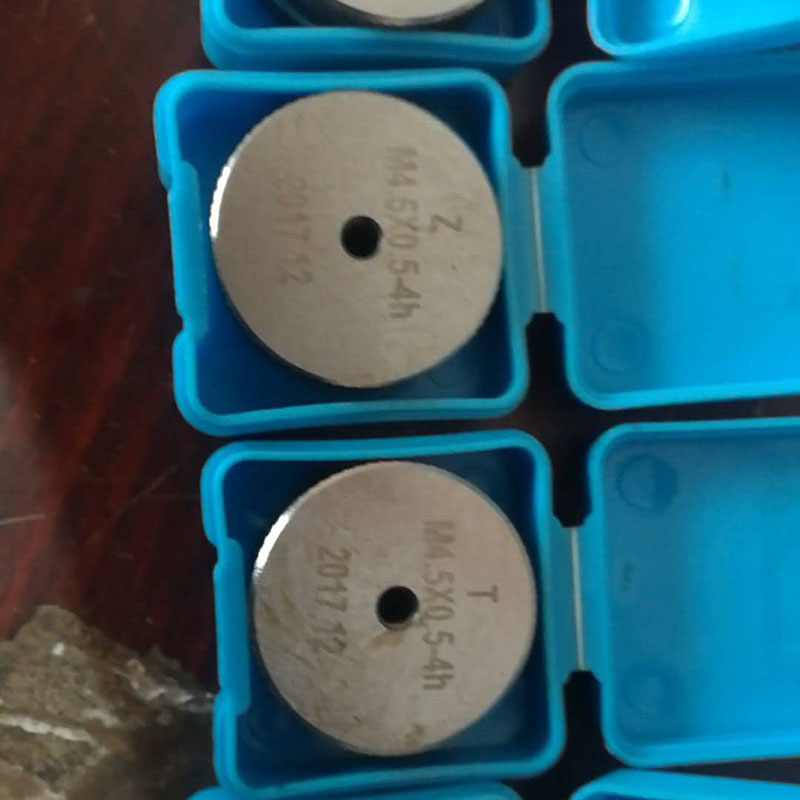

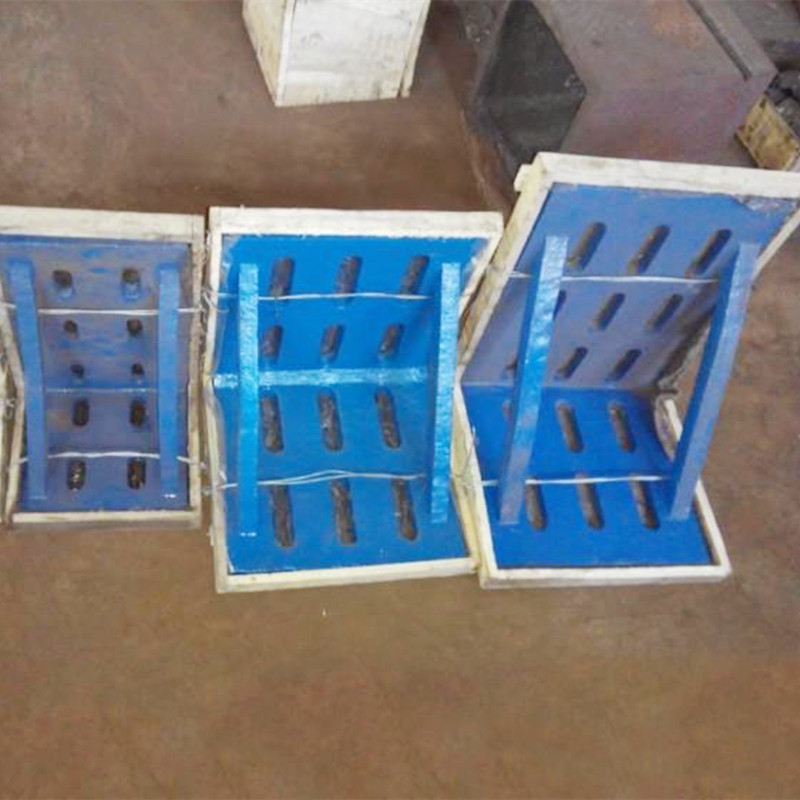
news and information
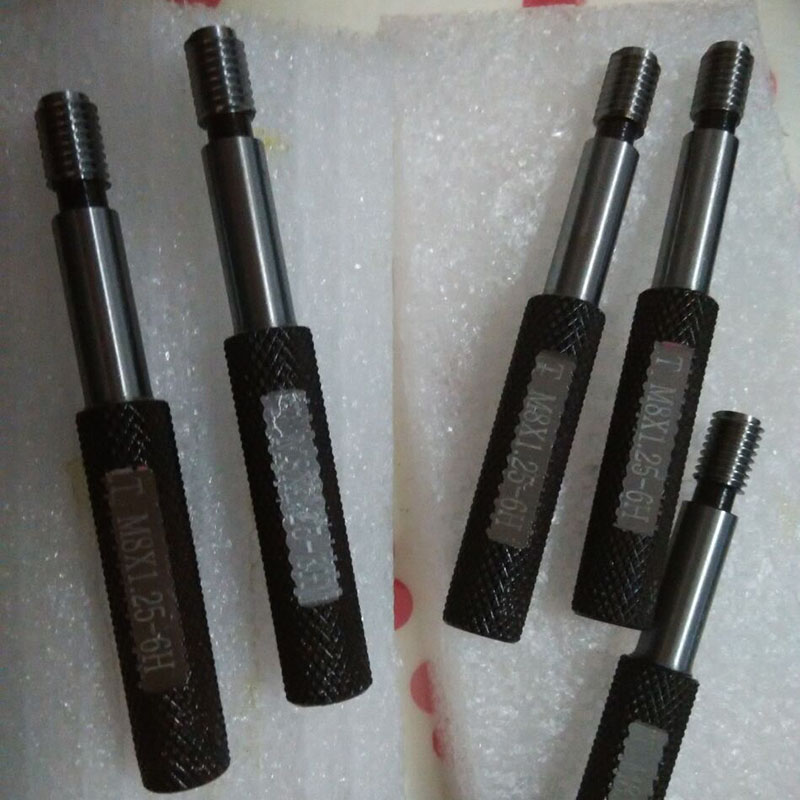
Using Thread Ring Gauge for Precision Measurement and Quality Assurance in Manufacturing
The Importance of a Thread Ring Gauge in Quality Control In the realm of engineering and manufacturi

What Are the Different Types of Gate Valves_
When diving into the world of industrial flow control, understanding the various types of gate valve
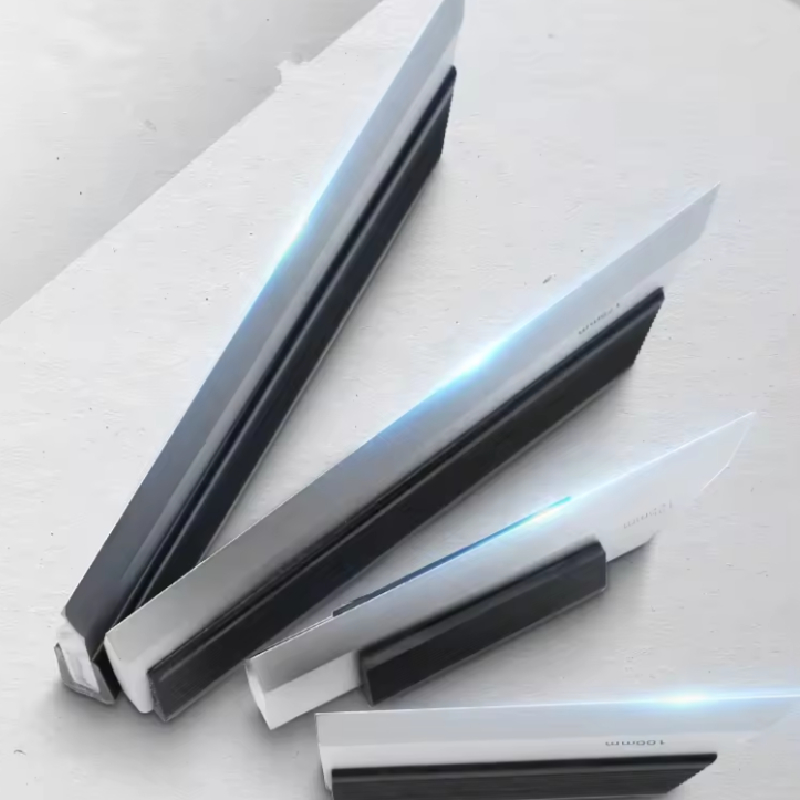
Welding Tables Available for Purchase in Various Sizes and Styles
Welding Tables for Sale A Comprehensive Guide Welding is a fundamental process in various industries
 English